
Texas Commercial Trucking Insurance: The Complete Startup Guide for New Trucking Companies
Starting a trucking company in the Lone Star State is exciting, but before your trucks ever touch I-35, I-10, or I-410 around San Antonio, you need one thing locked down: Texas commercial trucking insurance. If you are a brand-new owner-operator, a first-time motor carrier, or a small fleet just getting your MC and DOT numbers activated, this guide walks you through exactly what it is, why it matters, how much it costs, and how to get the right policy in place before your first load ever leaves the dock.
At San Antonio Commercial Truck Insurance, we work with new trucking companies across Texas every single day. We know that shopping for Texas commercial trucking insurance for the first time can feel overwhelming, so we built this 3,000-word breakdown to make the process simple, practical, and geared specifically toward people who are just now entering the industry.
Why Texas Commercial Trucking Insurance Matters for New Carriers
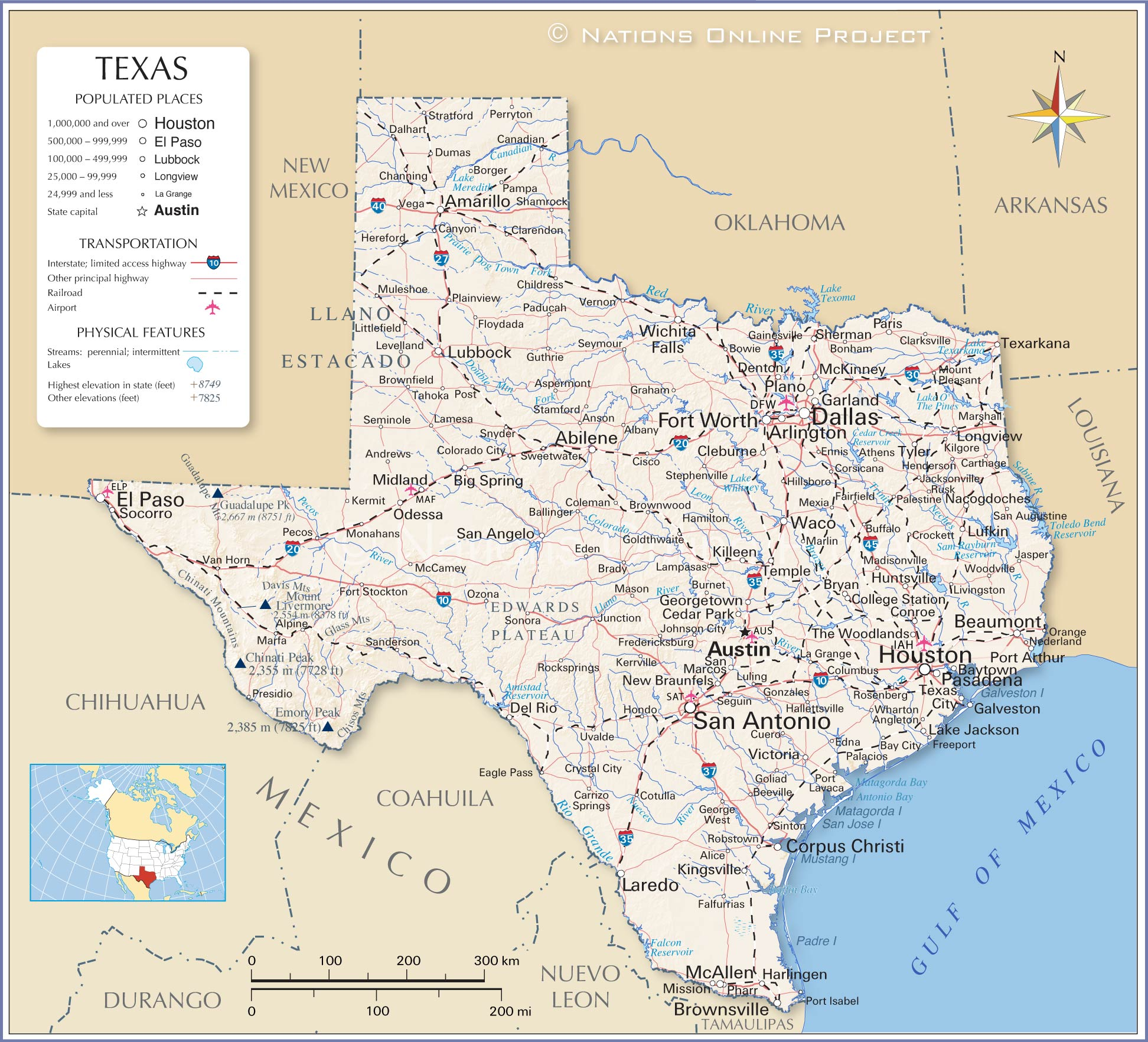
Texas is one of the busiest trucking corridors in the country. With major freight hubs in San Antonio, Houston, Dallas-Fort Worth, Austin, El Paso, and Laredo, the state moves an enormous share of the nation’s freight every day. That volume means more trucks on the road, more competition for freight, and more scrutiny from the Federal Motor Carrier Safety Administration (FMCSA) and the Texas Department of Motor Vehicles (TxDMV). Without proper Texas commercial trucking insurance, you cannot legally haul freight, register your authority, or even pull out of the yard.
For a new company, Texas commercial trucking insurance isn’t just a box to check — it’s the foundation of your entire operation. It protects your truck, your trailer, your cargo, your drivers, and your business from the financial fallout of an accident, a cargo claim, or a lawsuit. One uninsured incident can end a brand-new trucking business before it ever gets off the ground. That’s why understanding this coverage from day one is one of the smartest moves a new carrier can make.
What Is Texas Commercial Trucking Insurance?
Texas commercial trucking insurance is a category of business insurance built specifically for companies and individuals who operate commercial motor vehicles for hire or for their own business purposes within Texas, or who are based in Texas and operate across state lines. It is not the same as a personal auto policy, and it is not optional for anyone operating under a USDOT number.
This coverage typically bundles several types of protection into one policy or one package of policies, including:
- Commercial Auto Liability Insurance — covers bodily injury and property damage you cause to others
- Motor Carrier Insurance — required for carriers operating under their own authority
- Cargo Insurance — protects the freight you’re hauling
- Physical Damage Coverage — protects your truck and trailer from collision, theft, fire, and weather
- General Liability Insurance — covers non-trucking business exposures like slip-and-fall claims
- DOT and Federal Filings — including BOC-3 process agent filings and MCS-90 endorsements
New trucking companies often don’t realize that all of these pieces work together. You can’t simply buy “a policy” — you need a properly structured combination of coverages that matches your operation, your equipment type, and your radius of operation.
Minimum Texas Commercial Trucking Insurance Requirements
If you are new to the industry, one of the first questions you’ll ask is: how much coverage do I legally need? The answer depends on what you haul and where you operate, but here are the baseline numbers every new carrier should know about Texas commercial trucking insurance.
For interstate carriers regulated by the FMCSA:
- General freight: $750,000 minimum combined single limit liability
- Hazardous materials, oil, or certain other commodities: $1,000,000 to $5,000,000 depending on the cargo
- Household goods movers: $750,000 to $5,000,000 depending on vehicle weight
For intrastate carriers operating only within Texas:
- The TxDMV requires liability limits based on vehicle weight, generally starting around $500,000 for larger trucks
- Smaller vehicles may qualify for lower limits, but most box trucks, dump trucks, and tractor-trailers will fall into the higher tier
These numbers are the legal floor, not the ceiling. Most freight brokers and shippers today require at least $1,000,000 in liability coverage before they will even tender a load to a new carrier, regardless of what the state or federal minimum technically allows. That means shopping for coverage with only the bare legal minimum can actually cost you freight opportunities before you even start.
Types of Texas Commercial Trucking Insurance Coverage New Companies Need
Every new trucking company is a little different, and the right Texas commercial trucking insurance policy should reflect your specific equipment and freight. Here’s a breakdown of the coverage types most new carriers in Texas should be evaluating.
Primary Liability Coverage
This is the non-negotiable core of any trucking insurance policy in Texas. It covers damage and injury you cause to others while operating your truck. Without it, you cannot get your MC authority activated, and you cannot legally operate on Texas roads.
Motor Truck Cargo Insurance
If you’re hauling freight that belongs to someone else, cargo insurance protects that freight against damage, theft, or loss while it’s in your care, custody, and control. Most shippers and brokers will require proof of cargo coverage, usually $100,000 or more, before they will work with a new carrier.
Physical Damage Coverage
This covers your own truck and trailer. For a new company that just financed or leased its first tractor, physical damage coverage is often just as important as liability, because it protects the asset you’re relying on to generate income.
General Liability Insurance
While trucking-specific coverages handle what happens on the road, general liability protects your business from non-driving risks — things like a visitor getting hurt at your terminal or property damage that happens off the highway.
Non-Trucking Liability (Bobtail Insurance)
If you lease onto a motor carrier but also use your truck for personal reasons or drive it without a load attached, non-trucking liability fills the coverage gap during those times. This is a common oversight for brand-new owner-operators who assume their carrier’s policy covers everything.
Trailer Interchange Coverage
If you regularly pick up or drop off trailers that belong to another company, trailer interchange coverage protects those trailers while they’re in your possession under a written interchange agreement.
Workers’ Compensation
Texas is unique in that workers’ compensation is technically optional for most private employers, including trucking companies. However, if you have employees — even just one or two drivers — carrying workers’ compensation as part of your insurance package can protect you from costly injury lawsuits and is often required by the brokers and shippers you want to work with.
Specialty Coverage by Truck Type
New trucking companies come in all shapes and sizes, and Texas commercial trucking insurance needs to be tailored to the equipment you’re running. Here’s a quick look at how coverage differs by truck type:
- Box Trucks: Local and regional haulers need primary liability, physical damage, and motor truck cargo coverage, plus optional non-trucking liability if leased to a carrier.
- Dump Trucks: Because dump trucks work construction sites and face rollover risk, policies often add general liability and, in some cases, umbrella coverage.
- Flatbeds: Open-deck freight like steel, lumber, and machinery is exposed to the elements, so flatbed policies emphasize cargo and load-securement protection.
- Tractor-Trailers: Long-haul and regional carriers typically need the full package — liability, physical damage, cargo, and non-trucking liability.
- Hot Shot Trucks: Owner-operators running pickups and gooseneck trailers need liability, cargo, and general liability tailored to time-sensitive freight.
- Tow Trucks: On-hook towing coverage and garagekeepers coverage are essential in addition to standard auto liability.
- Fuel Haulers: Because of hazardous cargo, fuel haulers need higher liability limits along with pollution and environmental liability.
- Garbage Trucks: Waste haulers benefit from liability, physical damage, and workers’ compensation given the frequent stops and heavy urban traffic exposure.
- Cargo Vans: Delivery and courier operators need liability, physical damage, and cargo coverage suited to smaller, lighter loads.
Whatever you’re running, matching your coverage to your actual equipment and freight type keeps your premiums fair and your coverage effective when you need it most.
What Determines the Cost of Texas Commercial Trucking Insurance?
New trucking companies almost always ask about price first, and that’s understandable — insurance is one of the biggest fixed costs in the industry. The cost of Texas commercial trucking insurance depends on a wide range of factors, including:
- Years of experience — brand-new authorities typically pay more until they build a safety record
- Radius of operation — local haulers within a 100-mile radius often pay less than long-haul carriers running coast to coast
- Equipment type and value — newer, more expensive trucks and trailers cost more to insure
- Freight hauled — hazardous materials, high-value freight, and specialized cargo carry higher premiums
- Driving and safety record — clean CDL records and strong CSA scores help lower costs over time
- Coverage limits and deductibles — higher limits and lower deductibles raise the premium, but reduce out-of-pocket risk
- Location within Texas — rates can vary between San Antonio, Houston, Dallas, and more rural parts of the state due to traffic density and claims history
New trucking companies should expect Texas commercial trucking insurance premiums to run higher during the first year or two of operation. This is standard across the industry — insurance carriers view brand-new authorities as an unknown risk until there’s a track record of safe operation. The good news is that premiums typically come down significantly after 12 to 24 months of clean operating history, which is why working with an agency that shops multiple carriers on your behalf really pays off over time.
How New Trucking Companies Can Get Texas Commercial Trucking Insurance
If you’re launching a new motor carrier operation in Texas, here’s a straightforward path to getting properly insured.
Step 1: Get Your Authority in Order First
Before shopping for Texas commercial trucking insurance, you’ll need your USDOT number and, if applicable, your MC number from the FMCSA. Insurance agents need these numbers to bind coverage and file your proof of insurance electronically.
Step 2: Know Your Equipment and Operation
Be ready to tell your agent your truck type, trailer type, VIN numbers, radius of operation, and the type of freight you plan to haul. The more detail you provide, the more accurately your quote will reflect your actual risk.
Step 3: Compare Multiple Carriers
Not every insurance company writes policies for new authorities, and pricing can vary dramatically between carriers. Working with an independent agency that has access to multiple insurance companies — rather than a single captive insurer — gives you a real comparison of options for your coverage.
Step 4: Review Your Coverage Limits Carefully
Don’t just take the cheapest quote. Review your liability limits, cargo limits, and deductibles against what brokers and shippers in your target freight lanes are actually requiring. Underinsuring your new business to save a few dollars a month can cost you loads — or worse, your entire operation — down the road.
Step 5: File Your Proof of Insurance
Once you select a policy, your agent will file the necessary paperwork with the FMCSA (Form BMC-91 or BMC-91X) and, for intrastate carriers, with the TxDMV. This step activates your authority so you can legally begin hauling freight.
Step 6: Get Your Certificate of Insurance (COI)
Brokers and shippers will ask for a Certificate of Insurance before they hand you a load. A responsive agency should be able to provide same-day or instant COIs so you’re never stuck waiting on paperwork to start earning.
Common Mistakes New Trucking Companies Make When Buying Insurance
We see the same handful of mistakes over and over with first-time trucking business owners shopping for Texas commercial trucking insurance. Avoiding these can save you real money and real headaches:
- Choosing the cheapest policy without reading the coverage details. A low premium often means low limits, high deductibles, or excluded coverages that leave you exposed.
- Underestimating cargo value. If your cargo coverage limit is lower than the freight you’re hauling, you’ll be paying out of pocket for the difference after a loss.
- Skipping non-trucking liability. New owner-operators leased onto a carrier often assume they’re covered 24/7 — they’re not, unless bobtail coverage is added.
- Not disclosing all drivers. Leaving a driver off your policy can void coverage entirely if that driver is involved in an accident.
- Waiting until the last minute. Binding a new policy takes time for underwriting, especially for brand-new authorities, so start the process weeks before you plan to haul your first load.
- Not shopping around. Sticking with the first quote you receive, instead of comparing several carriers, often means overpaying for coverage that isn’t well matched to your operation.
Texas Commercial Trucking Insurance Across the State
Whether you’re based in San Antonio, Austin, Houston, Dallas-Fort Worth, El Paso, Laredo, or a smaller Texas town, the fundamentals of Texas commercial trucking insurance stay the same, but local factors matter. Urban carriers running dense city routes in Houston or Dallas may face higher traffic and claims exposure, while rural and cross-border carriers near Laredo and El Paso often deal with longer hauls and international freight considerations. San Antonio sits at a unique crossroads along I-10, I-35, and I-37, making it a strong hub for regional and long-haul carriers alike — and a great place to build a new trucking business with the right coverage in place from day one.
Working with a locally based agency that understands these regional differences gives new companies an advantage. An agent who knows the Texas trucking landscape can help you structure a Texas commercial trucking insurance policy that reflects where you actually run, not a generic, one-size-fits-all package.
Why Work With a Local Agency for Your Texas Commercial Trucking Insurance
New trucking companies benefit enormously from working with an independent agency rather than trying to navigate Texas commercial trucking insurance alone. Here’s why:
- Access to multiple carriers. An independent agency can shop your risk across many insurance companies instead of pushing you toward a single, in-house product.
- Industry expertise. Every trucking operation is different, and an experienced agent can help match coverage to your specific truck type, whether that’s a tractor-trailer, dump truck, flatbed, or cargo van.
- Fast, responsive service. New carriers can’t afford to wait days for a COI or a policy change. Look for an agency that offers 24/7 support and instant Certificate of Insurance access.
- Compliance guidance. From BOC-3 filings to MCS-90 endorsements, a knowledgeable agency helps make sure your coverage keeps you compliant with both state and federal rules.
- Long-term partnership. As your business grows and adds trucks, drivers, or new freight types, your agency should be able to grow your coverage right alongside you.
At San Antonio Commercial Truck Insurance, we specialize in exactly this kind of relationship. We work with all the major insurance companies so we can shop around and find the right fit for your company, and we provide instant COI access so you’re never held up waiting on paperwork. We understand that new trucking companies need more than a quote — they need a partner who understands Texas commercial trucking insurance from the ground up.
Frequently Asked Questions About Texas Commercial Trucking Insurance
Do I need this coverage if I only drive locally? Yes. Even intrastate carriers operating entirely within Texas must carry liability coverage that meets TxDMV requirements, and most brokers will still require proof of insurance before tendering freight.
How fast can a new company get coverage in place? With the right agency and complete information about your equipment and operation, many new carriers can get a policy bound within a day or two, though full underwriting for certain freight types may take longer.
Is Texas commercial trucking insurance more expensive for new authorities? Generally, yes, in the first year or two. Premiums typically improve as you build a safety record and operating history.
What’s the difference between motor carrier insurance and general commercial auto insurance? Motor carrier insurance is specifically structured for FMCSA and TxDMV compliance, including required filings, while general commercial auto insurance may not meet those same regulatory requirements.
Can I bundle multiple coverages into one policy? In many cases, yes. Liability, cargo, physical damage, and general liability can often be packaged together for convenience and, in some cases, cost savings.
Get Started With Texas Commercial Trucking Insurance Today
Launching a new trucking company is a major investment of time, money, and effort, and the right insurance protects all of it. Texas commercial trucking insurance isn’t just a legal requirement — it’s the safety net that lets you take on new freight, work with better brokers, and grow your business with confidence.
If you’re a new owner-operator or a growing fleet ready to get properly covered, San Antonio Commercial Truck Insurance is here to help. We’re located at 745 E Mulberry Ave Suite 1025, San Antonio, TX 78212, and our team is ready to walk you through every step of getting the right Texas commercial trucking insurance policy in place — quickly, affordably, and without the confusion.
Call us today at (830) 380-5630 or request an Online Quote to get your new trucking business properly protected and ready to hit the road.
Starting strong matters. The carriers who build good habits early — accurate paperwork, honest risk disclosures, and a trusted agent in their corner — tend to grow faster and spend less time fighting claims disputes down the line. Whether you’re hauling your first load out of San Antonio next week or still finalizing your authority, now is the time to get your questions answered and your policy locked in, so nothing slows you down once the wheels start turning.
