
Hotshot Trucking Insurance in San Antonio, TX: The Complete 2026 Guide for Owner-Operators
San Antonio has quietly become one of the busiest hotshot hubs in the state of Texas, and if you’re running (or starting) a hotshot operation out of the Alamo City, the single most important business decision you’ll make isn’t your truck, your trailer, or even your freight lanes — it’s your hotshot trucking insurance. Get it wrong, and one bad accident, one cargo claim, or one lapsed policy can end your authority before it ever really gets going. Get it right, and the proper coverage becomes the quiet foundation that lets you take on bigger contracts, work with better brokers, and sleep at night knowing your truck, your trailer, and your business are actually protected.
This guide walks through everything a San Antonio-based hotshot operator needs to know about hotshot trucking insurance in 2026: what it covers, what it costs, what Texas and federal regulators require, and how to shop for the right policy the smart way instead of the expensive way.
Why San Antonio Is a Hotshot Trucking Hotspot
Look at a map of Texas and it’s obvious why hotshot trucking insurance is such a hot topic here. San Antonio sits at the crossroads of I-35, I-10, and I-37, putting hotshot drivers within a few hours of Austin, Houston, the Rio Grande Valley, and the Eagle Ford Shale. Oilfield service companies, construction contractors, and agricultural operations across South Texas all rely on hotshot carriers to move time-sensitive freight — pipe, equipment, machinery parts, pallets — that’s too small for a full truckload but too urgent to wait on a scheduled LTL run.
That geography is exactly why local coverage matters so much. A carrier writing policies out of the Midwest may not understand San Antonio’s oilfield exposure, the density of I-35 traffic through downtown, or how Bexar County claims tend to be valued compared to rural counties. Working with an agency that actually understands the San Antonio market — and shops hotshot trucking insurance across multiple carriers instead of pushing one house policy — puts more money in your pocket and more protection on your operation.
The seasonal rhythm of South Texas freight matters too. Construction picks up sharply in spring and fall, oilfield activity in the Eagle Ford Shale ebbs and flows with commodity prices, and agricultural hauling spikes around harvest season. Hotshot operators who understand these cycles — and who carry coverage flexible enough to handle a slow month followed by a busy one — tend to run leaner, more profitable operations than those locked into rigid, one-size-fits-all policies.
What Exactly Is Hotshot Trucking Insurance?
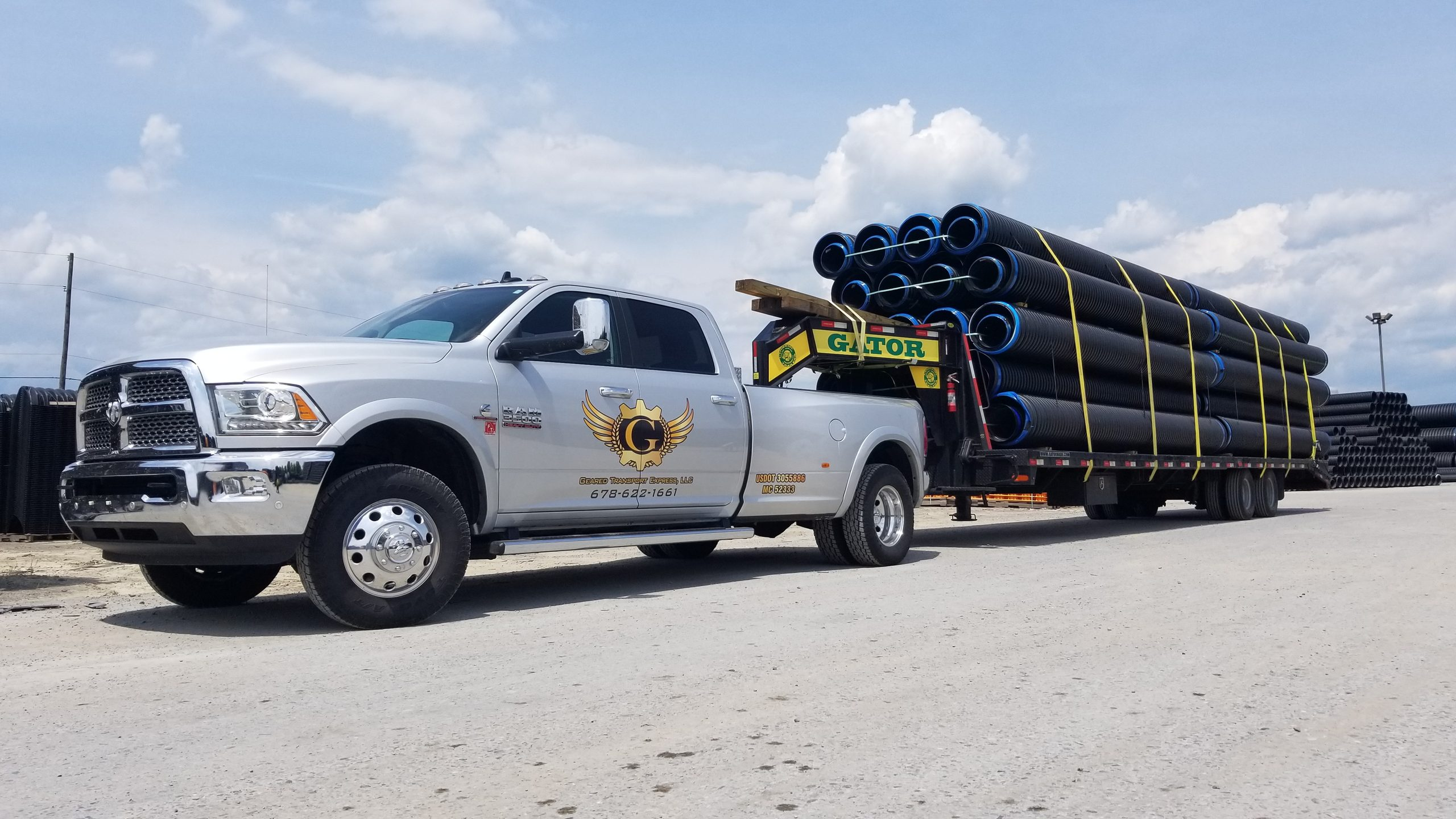
Hotshot trucking insurance is not a single policy — it’s a bundle of coverages built specifically for the way hotshot operators actually work. Most hotshot rigs are one-ton or heavier pickup trucks (think Ford F-350, Ram 3500, or Chevy Silverado 3500HD) pulling a gooseneck or bumper-pull flatbed trailer, hauling freight for a motor carrier or under the operator’s own authority. Because that setup is different from a standard tractor-trailer, hotshot trucking insurance is structured differently too.
A well-built policy typically includes:
- Commercial Auto Liability – Pays for bodily injury and property damage you cause to others in an at-fault accident. This is the coverage the FMCSA requires before you can legally haul freight, and it’s the backbone of any hotshot trucking insurance package.
- Physical Damage Coverage – Comprehensive and collision protection for your truck and trailer, so a wreck, fire, theft, or vandalism doesn’t wipe out your investment.
- Motor Truck Cargo Insurance – Covers the freight you’re hauling if it’s damaged, lost, or stolen in transit. Brokers and shippers almost always require proof of cargo coverage before they’ll dispatch a load to you.
- General Liability – Protects you against claims that happen off the road, like an injury at a shipper’s dock or during loading and unloading.
- Non-Trucking Liability (Bobtail Coverage) – Covers you when you’re driving the truck for personal use or between dispatches, not under a carrier’s authority.
- Trailer Interchange Coverage – If you regularly swap trailers with other carriers, this protects trailers that aren’t legally yours but are in your care.
- Uninsured/Underinsured Motorist Coverage – Protects you if you’re hit by a driver who doesn’t carry adequate insurance, which is unfortunately common on Texas highways.
Not every hotshot operation needs every one of these pieces, which is exactly why hotshot trucking insurance should be quoted based on your specific lanes, freight types, and authority — not a one-size-fits-all template.
Why Hotshot Coverage Differs From Standard Truck Insurance
A lot of new operators assume they can just add a trailer endorsement to a personal auto policy and call it a day. That’s a fast way to get a claim denied. Personal auto insurance almost always excludes commercial use, and even most standard commercial auto policies aren’t built around the unique mechanics of hotshot work: gooseneck and bumper-pull trailers, mixed loads, frequent short-haul dispatch, and drivers who may run under their own MC number one week and leased to a carrier the next.
Hotshot trucking insurance solves that gap. It’s priced and structured around several variables that a generic policy simply doesn’t account for:
- The type of truck (one-ton pickup vs. medium-duty straight truck)
- The trailer configuration (gooseneck, deckover, tilt, or bumper-pull)
- Whether you run under your own authority or lease on to a motor carrier
- Your typical freight (construction equipment, oilfield parts, machinery, agricultural gear)
- Your radius of operation (intrastate Texas hauls vs. interstate long runs)
- Your driving record, experience, and CDL status (some hotshot operators don’t need a CDL depending on GVWR)
Because so many variables affect pricing, quotes for this kind of coverage can vary dramatically from carrier to carrier — which is exactly why comparing multiple markets matters more here than in almost any other trucking niche.
What Hotshot Trucking Insurance Typically Costs in San Antonio
Pricing generally lands in the range of $700 to $1,500 per month for an owner-operator running under their own authority with a clean record, though it can run lower for drivers leased onto an established carrier and higher for newer authorities, high-value cargo, or drivers with violations on their MVR. A few of the biggest cost drivers include:
- Authority type – Leased-on operators usually pay less because the carrier they’re leased to often carries the primary liability policy.
- Experience – Drivers with two or more years of verifiable commercial driving experience typically see meaningfully better rates than brand-new operators.
- Cargo value and type – Hauling $250,000 in oilfield equipment costs more to insure than hauling pallets of landscaping supplies.
- Radius of operation – Local and regional hotshot work in and around Bexar County tends to price differently than long-haul interstate lanes.
- Claims history – A clean five-year MVR and loss run history is the single biggest lever for lowering premiums on a hotshot trucking insurance policy.
- Liability limits – Brokers increasingly require $1,000,000 in liability coverage, which raises the base cost compared to the federally-required minimums.
The only way to know your real number is to get quotes built around your actual operation, not a generic online calculator. That’s where working with a San Antonio-based agency that specializes in hotshot trucking insurance pays for itself.
Texas and Federal Requirements for Hotshot Operators
Before a single load gets dispatched, hotshot operators in Texas need to have their compliance paperwork in order — and the right insurance policy sits at the center of nearly all of it.
- USDOT Number – Required for any commercial vehicle over 10,001 lbs. GVWR operating in interstate commerce, and for most intrastate hotshot operations in Texas as well.
- MC Number (Operating Authority) – Required if you’re hauling for-hire freight across state lines, or in many cases, within Texas depending on your setup.
- BOC-3 Filing – Designates process agents in every state you operate in; most agencies that write hotshot trucking insurance can file this for you.
- MCS-90 Endorsement – A federally required endorsement added to your policy that guarantees minimum liability coverage to the public, even if your underlying policy has gaps.
- Minimum Liability Limits – The FMCSA requires $750,000 in liability coverage for most general freight, but many brokers and shippers now require $1,000,000 before they’ll even offer you a load, which pushes most serious buyers of hotshot trucking insurance well above the federal floor.
- Proof of Cargo Insurance – Almost universally required by brokers before they’ll dispatch freight to a hotshot carrier, typically $100,000 in cargo coverage as a baseline.
Skipping or mishandling any one of these pieces can leave you unable to legally haul freight, even if your premium is paid in full — so it’s worth working with an agency that handles the DOT and MCS-90 side of things alongside the policy itself.
Common Mistakes San Antonio Hotshot Operators Make With Insurance
After watching hundreds of owner-operators go through this process, a few mistakes come up again and again:
Underinsuring cargo value. If you’re regularly hauling equipment worth more than your cargo limit, a single claim can leave you covering the difference out of pocket. Your cargo limit should match what you actually haul, not just the broker’s minimum requirement.
Skipping non-trucking liability. Drivers who only carry liability while dispatched, but drive their rig for personal errands or between loads without bobtail coverage, are exposed the moment they’re not under a carrier’s policy.
Letting authority lapse. New MC numbers go through a review period, and if your hotshot trucking insurance filing isn’t submitted correctly during that window, your authority can get revoked before you’ve hauled a single load.
Shopping by price alone. The cheapest quote for hotshot trucking insurance is sometimes cheap because it excludes cargo type, restricts radius, or caps liability lower than brokers require. A policy that gets your load rejected at the dock isn’t actually saving you money.
Not updating coverage as the business grows. An operator who starts hauling higher-value freight, adds a second truck, or expands from intrastate to interstate lanes needs their coverage reviewed and adjusted — not left on autopilot.
How to Choose the Right Hotshot Trucking Insurance Agency in San Antonio
Not all agencies are built the same, and this matters more in this corner of commercial coverage than almost any other line because of how specialized the risk is. When evaluating an agency, look for:
- Access to multiple carriers. An agency that only sells one company’s hotshot trucking insurance can only offer you one company’s pricing and appetite. An independent agency that shops several markets will almost always find a better fit.
- Real trucking industry knowledge. You want an agent who understands the difference between a gooseneck and a bumper-pull, who knows what MCS-90 means, and who can speak to broker requirements — not a generalist who happens to also sell truck policies.
- Fast Certificate of Insurance turnaround. Brokers often want a COI same-day before they’ll release a load. An agency that can issue one instantly (or give you online access to generate your own) keeps freight moving.
- DOT compliance support. BOC-3 filings, MC number applications, and IRP/IFTA questions all intersect with your coverage, so an agency that handles both saves you time and reduces the chance of a compliance gap.
- Local presence. An agency physically based in San Antonio understands South Texas freight patterns, oilfield exposure, and local claims trends better than a call center in another state.
Real-World Situations Where the Right Coverage Matters Most
Consider a hotshot operator hauling drilling equipment from a South Texas yard out to a well site in the Eagle Ford Shale. If a chain fails and the load shifts, damaging both the trailer and the cargo, a policy without adequate motor truck cargo limits leaves the operator personally on the hook for replacement equipment that can run into six figures. Or picture a driver bobtailing home after dropping a load, only to be rear-ended at a red light — without non-trucking liability in place, that driver has no coverage for the damage or injury claims that follow.
These aren’t rare, hypothetical scenarios. They’re the exact situations hotshot trucking insurance is designed to solve, and they’re also exactly why generic, bare-minimum policies leave so many San Antonio operators exposed. A properly structured policy anticipates these gaps before they become expensive lessons.
Frequently Asked Questions About Hotshot Trucking Insurance
Do I need a CDL to get hotshot trucking insurance? Not always. Many hotshot rigs fall under 26,001 lbs. GVWR combined weight and don’t require a CDL, though insurers still evaluate your driving record closely. Heavier configurations that cross the CDL threshold will need a valid commercial license before coverage can be issued.
Can I get hotshot trucking insurance with a new authority? Yes, though new authorities typically pay more until they build a track record. Most agencies can still find competitive coverage for brand-new MC numbers, especially with a clean personal driving history.
Does hotshot trucking insurance cover trailer damage? Physical damage coverage within this type of policy can be structured to cover both the truck and the trailer, but you have to make sure the trailer is scheduled on the policy — it isn’t automatically included in every base package.
How fast can I get hotshot trucking insurance in San Antonio? Same-day binding is common when you have your MC number, VIN, and basic operating details ready. Many agencies can issue a Certificate of Insurance within hours of approving your application.
Is hotshot trucking insurance more expensive than regular trucking insurance? Not necessarily — it depends on your freight, radius, and authority setup. In some cases, this type of coverage is actually more affordable than full tractor-trailer insurance because the equipment values and cargo limits are lower.
Building a Long-Term Relationship With Your Agent
Many first-time hotshot operators treat insurance as a one-time purchase — get a quote, bind the policy, and forget about it until renewal. That approach almost always costs money in the long run. Freight rates shift, fuel surcharges change how much cargo gets loaded per run, and a driver who starts the year hauling landscaping pallets might end it hauling oilfield pipe worth ten times as much. Each of those changes affects what your policy should actually look like.
An agent who knows your operation can flag these shifts before they become expensive gaps. That might mean raising your cargo limit before a big contract starts, adding a second truck to the same policy instead of writing a brand-new one, or adjusting your radius of operation after you pick up a long-haul lane running out toward Houston or the Rio Grande Valley. It might also mean catching a renewal increase that doesn’t match your actual claims history and pushing back on it with the carrier on your behalf.
This is where a local relationship pays off. A San Antonio agency that has written policies for dozens of hotshot operators across Bexar County has a much better sense of what fair pricing looks like for your specific setup than a national call center working from a script. Over a few years, that relationship can mean the difference between renewing at a rate that reflects your actual risk and quietly overpaying because nobody flagged the changes in your operation.
It’s also worth revisiting your coverage any time you add a driver, change trucks, or shift from leased-on work to running under your own authority. Each of those transitions changes your risk profile, and a policy built for last year’s operation may not properly protect this year’s version of your business.
Getting Quotes the Right Way
The fastest way to get accurate pricing on a hotshot policy is to have the following ready before you call or request a quote:
- Your USDOT and MC number (or confirmation you’re applying for one)
- Truck year, make, model, and VIN
- Trailer type, length, and VIN
- Your typical freight and cargo value
- Your operating radius (intrastate Texas vs. interstate)
- Driving record for the last three to five years
- Whether you’re running under your own authority or leased to a carrier
Handing this information to an agent who specializes in hotshot trucking insurance means you’ll get quotes back that actually reflect your operation, rather than a generic estimate that changes the moment you provide real details. It also speeds up the entire process — most San Antonio operators can go from first phone call to a bound policy and an active Certificate of Insurance in the same business day when their paperwork is organized ahead of time.
Work With a San Antonio Agency That Knows Hotshot Trucking Insurance
San Antonio Commercial Truck Insurance works with owner-operators and small fleets across Bexar County and the surrounding I-35, I-10, and I-37 corridors to find coverage that actually fits how they run freight. Because the agency shops across multiple carriers instead of pushing a single house policy, San Antonio hotshot operators get access to competitive pricing on liability, cargo, physical damage, and non-trucking liability coverage — plus support with BOC-3 filings and MCS-90 endorsements that keep your authority in good standing.
The agency also offers instant Certificate of Insurance access, so when a broker needs proof of coverage before releasing a load, you’re not left waiting on hold. Combined with 24/7 availability and a team that understands the specific risks of oilfield freight, construction equipment, and agricultural hauls across South Texas, it’s built to serve hotshot operators the way this niche actually deserves to be served.
If you’re ready to get a quote, compare your current policy, or just have questions about what hotshot trucking insurance should cost for your setup, call San Antonio Commercial Truck Insurance at (830) 380-5630 or request an online quote. Getting the right coverage in place today means one fewer thing standing between you and your next load — and one more reason your business stays on the road, compliant, and protected mile after mile.
