
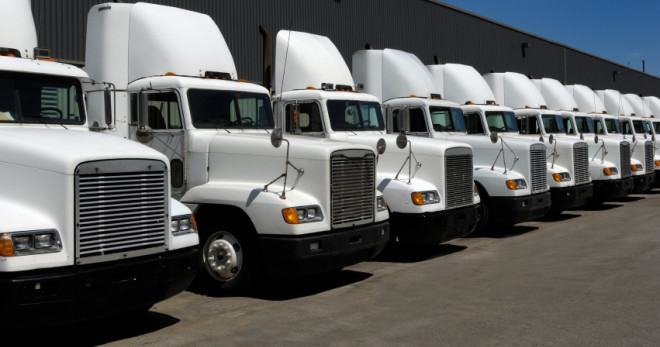
Fleet Insurance in San Antonio, TX: The Complete Guide for Trucking Companies
If you run more than a couple of commercial trucks in or around San Antonio, fleet insurance is probably the single most important financial decision you’ll make this year. One accident on I-35, one cargo claim near Loop 410, or one DOT audit gone wrong can wipe out months of revenue if your coverage isn’t built correctly from the start. This guide walks San Antonio trucking companies, owner-operators expanding into multi-truck operations, and dispatch managers through everything they need to know about protecting a growing fleet in South Texas — what a strong policy covers, what it typically costs, how local risk factors move your rate, and how to put together a program that actually holds up when a claim happens.
We’ll also cover the specific coverage types available for the equipment most common on San Antonio roads, from box trucks and dump trucks to flatbeds, tankers, and cargo vans, so you can walk into a renewal conversation or a first-time quote knowing exactly what to ask for.
What Is Fleet Insurance, Exactly?
Fleet insurance is a single commercial auto policy that covers multiple vehicles — typically five or more — under one umbrella agreement instead of insuring each truck separately. For a San Antonio trucking company running box trucks, dump trucks, tractor-trailers, or a mixed group of flatbeds and cargo vans, this kind of coverage consolidates liability, physical damage, and cargo protection into one streamlined package that’s easier to manage and often less expensive per unit than a stack of individual policies.
Instead of juggling five, ten, or fifty separate declarations pages, a consolidated fleet policy gives you one policy number, one renewal date, and one point of contact for claims. That matters a lot when your trucks are running routes between San Antonio, Austin, Laredo, and Houston, because you need certificates of insurance ready at a moment’s notice for brokers, shippers, and DOT inspectors.
Why San Antonio Trucking Companies Need Fleet Insurance
San Antonio sits at the intersection of some of the busiest freight corridors in Texas. I-35 connects the city directly to the Laredo border crossing, one of the highest-volume trade gateways in North America. I-10 carries freight east toward Houston and west toward El Paso. Loop 410 and Loop 1604 handle local delivery trucks, dump trucks serving the city’s ongoing construction boom, and regional haulers passing through the metro every single day. That kind of traffic density means more exposure, more claims potential, and a stronger case for building a properly structured fleet insurance program rather than patching together separate policies as you add trucks.
A few local factors make comprehensive coverage especially important for San Antonio operators:
- Border proximity. Carriers running loads to and from Laredo face higher mileage, more inspections, and greater cargo exposure, all of which a fleet policy needs to account for.
- Construction growth. San Antonio’s ongoing expansion means more dump trucks, flatbeds, and box trucks working near active job sites, increasing rollover and property damage risk.
- Severe weather. Hailstorms and flash flooding are common across Bexar County, and physical damage protection built into your policy guards against weather-related losses.
- Interstate congestion. Heavy truck traffic on I-35 and I-10 raises the odds of multi-vehicle accidents, which is exactly the kind of large liability claim a well-structured commercial trucking policy is designed to absorb.
If your trucks operate anywhere in this corridor, a dedicated fleet insurance policy isn’t optional — it’s the foundation of a compliant, insurable trucking business.
What Does a Fleet Insurance Policy Typically Cover?
A well-built policy for a San Antonio trucking operation usually bundles several coordinated coverage types working together. Here’s what most fleet insurance programs include:
Commercial Auto Liability
This is the core of any trucking coverage plan. It pays for bodily injury and property damage your trucks cause to others. Texas requires minimum liability limits for commercial vehicles, and federal filings like MCS-90 may require even higher minimums depending on your operating authority.
Physical Damage Coverage
Comprehensive and collision protection covers the trucks themselves — from collisions, hail damage, theft, vandalism, and fire. Given San Antonio’s hailstorm history, this piece of the policy deserves real attention rather than a rubber stamp at renewal.
Motor Truck Cargo Insurance
If you’re hauling freight for hire, cargo coverage is a non-negotiable part of any trucking coverage quote. It reimburses you when freight is damaged, stolen, or lost in transit, which protects both your contracts and your reputation with shippers and brokers.
General Liability
Many policies bundle in general liability to cover incidents that happen off the road — at a yard, warehouse, or job site — such as slip-and-fall injuries or third-party property damage that a straight auto policy wouldn’t touch.
Non-Trucking Liability & Trailer Interchange
For owner-operators leased onto a motor carrier, coverage can include non-trucking liability, which protects personal use of the tractor, and trailer interchange coverage, which protects trailers you don’t own but are pulling under contract.
Workers’ Compensation
If your fleet has employees driving company trucks, workers’ comp is often layered into the program to cover on-the-job injuries and keep the business compliant with Texas labor requirements.
Umbrella Coverage
Larger operations, or those hauling higher-risk freight like fuel or hazardous materials, frequently add umbrella liability on top of their primary auto policy to raise total limits well beyond the base program.
Fleet Insurance for Different Truck Types in San Antonio
Not every truck on the road faces the same risk, and a good fleet insurance strategy reflects that. Here’s how coverage typically shifts by vehicle type for San Antonio operators:
Box Trucks: Local delivery operations running 16’–26′ straight trucks need coverage that includes primary liability, physical damage, and cargo protection, plus non-trucking liability if drivers are leased operators.
Dump Trucks: Construction-heavy fleets need policies that account for frequent loading and unloading, jobsite exposure, and higher rollover risk — all common realities in San Antonio’s growing construction sector.
Flatbed Trucks: Open-deck freight faces higher exposure to weather and load-shift damage, so coverage for flatbed operations should include strong cargo and load-securement provisions.
Fuel Haulers: Petroleum transport requires specialized coverage with high-limit liability, environmental and pollution protection, and tanker-specific physical damage terms.
Garbage Trucks: Waste collection operators need policies that address dense urban routes, frequent stops, and potential pollution liability from spills.
Hot Shot Trucks: Smaller operations running time-sensitive freight with pickups and gooseneck trailers still need protection covering liability, cargo, and physical damage, scaled appropriately to the equipment.
Tow Trucks: On-hook towing coverage and garagekeepers liability are essential add-ons within a tow-operator’s insurance program.
Tractor-Trailers: Long-haul and regional operations typically layer in trailer interchange and non-trucking liability alongside standard cargo and physical damage terms.
Cargo Vans: Courier and last-mile delivery operators need coverage that includes liability, physical damage, and often hired/non-owned auto protection for contracted drivers.
Whatever your mix of equipment, the right coverage program should be built around the specific risks each vehicle type brings to your operation — not a one-size-fits-all template pulled off a shelf.
How Much Does Fleet Insurance Cost in San Antonio?
Premiums vary widely based on a long list of factors, and no reputable agency will quote you a number without reviewing your operation first. That said, here’s what typically drives fleet insurance pricing for San Antonio-based trucking companies:
- Number and type of vehicles. More trucks, and heavier equipment, generally mean higher premiums — but also more room to negotiate per-unit discounts as the account grows.
- Driver experience and MVR history. Fleets with experienced, clean-record drivers usually see better rates than fleets with high turnover or violations on file.
- Radius of operation. Local San Antonio delivery routes carry different risk than long-haul operations running interstate lanes to Laredo, Houston, or beyond.
- Freight type. Hauling general freight costs less to insure than hazardous materials or high-value cargo, which raises premiums accordingly.
- Claims history. A clean loss run can meaningfully lower costs at renewal, while frequent claims push rates in the opposite direction.
- Safety technology. Dash cams, telematics, and ELDs can qualify a trucking coverage program for safety credits with many carriers.
Because underwriting varies so much by carrier, it pays to work with an agency that shops your operation across multiple insurance companies rather than pricing with just one.
The Advantage of Working With Multiple Carriers
Not every insurance company prices coverage the same way, and not every carrier wants every type of freight. Some specialize in construction fleets; others prefer long-haul dry van operations; others avoid petroleum haulers altogether. An independent agency that works with multiple carriers can shop your coverage application to the markets most likely to compete for your business — which usually means better pricing and broader terms than going direct to a single insurer.
This matters even more in San Antonio, where the mix of border-freight carriers, construction fleets, and local delivery operations creates a wide range of risk profiles. A one-size-fits-all quote from a single company rarely reflects what a diversified San Antonio fleet actually needs to stay protected.
Staying Compliant: DOT and Federal Filings
Coverage for a trucking fleet isn’t just about protecting the trucks — it’s also about staying legally compliant. Depending on your operating authority, your fleet insurance program may need to include:
- BOC-3 filings — designating process agents in every state you operate in.
- MCS-90 endorsements — a federal requirement proving your liability coverage meets minimum public safety standards for interstate for-hire carriers.
- Proof of cargo insurance — often required by brokers and shippers before they’ll tender freight to your trucks.
- Certificates of Insurance (COI) — documentation your provider should be able to issue instantly, since brokers and job sites frequently request them on short notice.
Missing any of these pieces can shut a truck down at a weigh station or cost you a contract with a shipper, so your agency should handle federal filings as part of the relationship, not as an afterthought tacked on at the end.
Common Mistakes San Antonio Fleet Owners Make
After years of working with trucking companies across Texas, a few recurring mistakes show up again and again when it comes to trucking coverage:
Underinsuring cargo value. Hauling higher-value freight without adjusting cargo limits leaves a company exposed to out-of-pocket losses on a single claim.
Ignoring driver qualification files. Underwriters look closely at driver history, and incomplete qualification files can trigger rate increases or coverage gaps at renewal time.
Skipping gap analysis at renewal. Fleets often renew coverage year after year without revisiting whether limits still match a growing operation, larger equipment, or new freight lanes.
Not bundling general liability. Trucking companies sometimes carry auto coverage but skip general liability, leaving yard and warehouse incidents completely uncovered.
Choosing price over service. The cheapest fleet insurance quote isn’t always the best value if the provider can’t turn around a same-day certificate or doesn’t understand trucking-specific filings.
Avoiding these pitfalls starts with working with a provider who understands San Antonio’s freight environment specifically, rather than treating trucking like standard commercial auto business.
How to Get a Fleet Insurance Quote in San Antonio
Getting an accurate quote requires a bit of paperwork upfront, but the process moves quickly once the right information is ready:
- Vehicle list — year, make, model, VIN, and value for every truck and trailer in the operation.
- Driver list — names, license numbers, and years of experience for everyone behind the wheel.
- Loss runs — three to five years of claims history from the current carrier, if available.
- Operating authority details — USDOT and MC numbers, radius of operation, and commodities hauled.
- Current coverage limits — so a new coverage quote can be compared apples-to-apples against the existing policy.
Once that information is in hand, a knowledgeable agency can shop the application across multiple carriers and come back with competitive options within a day or two, rather than weeks of back-and-forth.
Growing From a Single Truck to a Full Fleet
Many San Antonio trucking businesses start with one truck under an owner-operator policy and gradually add equipment as contracts grow. That transition point — moving from an individual policy to a fleet insurance structure — is where a lot of companies either save significant money or accidentally create coverage gaps.
The shift typically makes sense once an operation reaches four or five trucks, though the right threshold depends on equipment type and freight risk. At that stage, it’s worth having a broker review the entire operation rather than simply adding trucks one at a time to an existing individual policy. A properly restructured fleet insurance program can consolidate renewal dates, simplify certificate requests, and often reduce the administrative overhead of managing several separate policies with different carriers and different terms.
This is also a good moment to revisit driver qualification files, safety programs, and telematics adoption, since underwriters reward fleets that can demonstrate proactive risk management with better terms at renewal.
Building a Safety Program That Lowers Your Premiums
Underwriters price commercial trucking risk based largely on how well a company manages the things it can actually control: driver behavior, vehicle maintenance, and how quickly problems get caught before they turn into claims. A basic safety program doesn’t need to be complicated to move the needle at renewal.
Start with a written driver qualification process. Pull motor vehicle records annually, verify CDL status, and document a clear hiring standard that excludes drivers with recent major violations. Underwriters want to see this on paper, not just described verbally during a renewal call.
Next, invest in dash cams and telematics if the budget allows. These cameras help win disputed liability claims and give carriers hard data showing hard-braking events, speeding patterns, and hours-of-service compliance are being actively monitored. Many carriers offer real premium credits for fleets running this technology.
Preventive maintenance matters just as much as driver behavior. A documented inspection schedule shows underwriters that mechanical failures are being addressed proactively. Trucks with deferred maintenance are statistically more likely to be involved in accidents, and that shows up in loss ratios over time.
Finally, hold regular safety meetings — even short, monthly ones — and keep attendance records. Reviewing near-misses, seasonal hazards like summer heat or winter ice on overpasses, and route-specific risks around San Antonio construction zones keeps safety top of mind for drivers and gives the company a paper trail that underwriters take seriously when calculating renewal pricing.
None of these steps require a large budget, but together they build the kind of loss history that leads to better terms year after year, rather than a company that’s stuck accepting whatever the market offers at renewal.
Why Work With a Local San Antonio Agency
Coverage for a trucking operation is not a commodity product, even though it’s sometimes sold that way. Working with a local San Antonio agency means the program is built by people who understand Bexar County traffic patterns, Texas DOT requirements, the Laredo trade corridor, and the specific risks facing construction, delivery, and long-haul fleets operating out of this region.
At San Antonio Commercial Truck Insurance, fleet insurance is the core of what we do. We work with multiple major carriers, so instead of pushing one insurance company’s product, we shop each application across the market to find the best combination of price and coverage for the operation in front of us — whether that’s three box trucks or thirty tractor-trailers. Our team also provides instant Certificates of Insurance, so clients are never stuck waiting on paperwork when a broker or job site needs proof of coverage right now.
We’re on call 24/7, because trucking doesn’t stop at 5 p.m., and neither should support for your policy. Whether you need help navigating BOC-3 filings, adjusting cargo limits before a new contract, or simply getting a second opinion on your current fleet insurance renewal, our San Antonio-based team is ready to help.
Frequently Asked Questions About Fleet Insurance
How many trucks do I need before fleet insurance makes sense? Most carriers consider a dedicated fleet program once an operation is running five or more vehicles, though some will structure fleet insurance for smaller operations depending on the equipment and risk profile involved.
Is fleet insurance cheaper than insuring trucks individually? Often, yes. Consolidating vehicles under one policy can reduce administrative costs and may qualify a business for volume-based pricing that isn’t available on single-truck policies.
Can I add or remove trucks from my fleet insurance policy mid-term? Yes. Most fleet insurance policies allow vehicles to be added or removed as the fleet changes, with premium adjustments calculated on a pro-rated basis.
Does fleet insurance cover owner-operators leased to my company? It depends on the structure of the lease agreement. Non-trucking liability and other endorsements can be added to address leased-operator arrangements within the same policy.
What happens if I let my fleet insurance lapse? A lapse can affect DOT compliance status, void federal filings like an MCS-90, and make it harder to get affordable coverage going forward, since carriers view lapses as a significant red flag during underwriting.
Does weather in South Texas affect commercial trucking premiums? Yes. Hail and flooding events across Bexar County are a real factor in physical damage pricing, which is one more reason to review coverage limits regularly rather than leaving them untouched for years.
Get a Fleet Insurance Quote Today
If your San Antonio trucking business is ready for a policy that actually fits your operation, our team is ready to help. Call San Antonio Commercial Truck Insurance at (830) 380-5630, or request an online quote to get a fleet insurance program built the right way — with multiple carrier options, instant certificates of insurance, and a team that understands the roads your trucks run every day.
San Antonio Commercial Truck Insurance 745 E Mulberry Ave Suite 1025, San Antonio, TX 78212 Phone: (830) 380-5630
