
Box Truck Insurance in San Antonio, TX: The Complete 2026 Guide for Owner-Operators and Fleets
If you run a straight truck through the streets of San Antonio, you already know the roads here don’t slow down for anyone. Between the I-35 corridor, Loop 410, the Alamo City’s booming logistics scene, and the constant flow of freight moving through South Texas, box trucks are working harder than ever. That means the box truck insurance protecting them needs to work just as hard. This guide breaks down everything San Antonio business owners need to know about getting the right policy in place — what it covers, what it costs, and how to make sure it actually protects your business instead of just checking a compliance box.
At San Antonio Commercial Truck Insurance, we work exclusively with San Antonio and South Texas trucking operations, so we’ve put together this guide using real, local insight into what matters most when you’re shopping for this kind of coverage in this market.
What Is Box Truck Insurance?
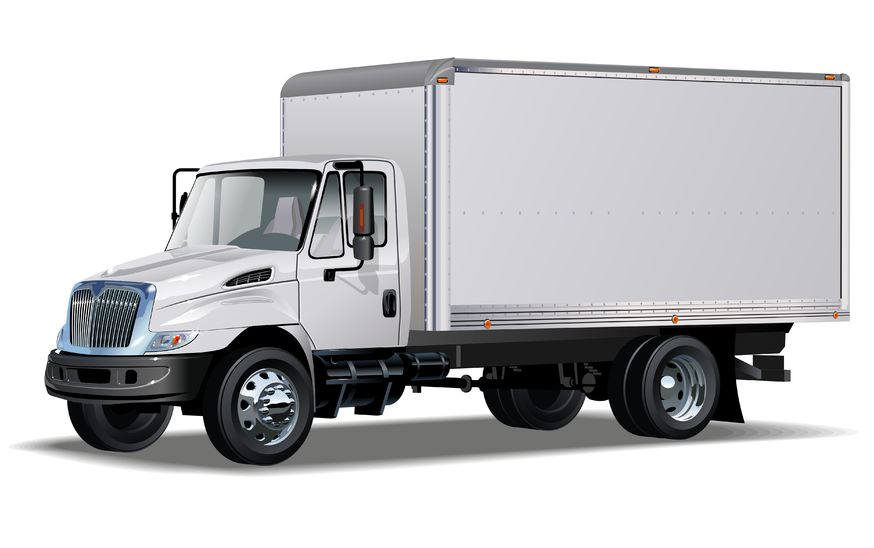
Box truck insurance is a specialized form of commercial auto coverage built specifically for 16’–26′ straight trucks used in local and regional hauling. Unlike a personal auto policy, or even a generic commercial auto plan built for passenger vehicles, this coverage accounts for the unique risks of operating a straight truck: higher cargo loads, frequent stops, urban delivery routes, and the liability exposure that comes with driving a larger commercial vehicle through dense San Antonio traffic.
Whether you’re an independent owner-operator making last-mile deliveries in Alamo Heights, a moving company serving the Stone Oak area, or a regional freight hauler running routes between San Antonio and Austin, the right policy is the foundation that keeps your business legally compliant and financially protected.
Most policies are built from several coverage components working together, including:
- Primary Liability Coverage – Pays for bodily injury or property damage you cause to others in an at-fault accident.
- Physical Damage Coverage (Comprehensive & Collision) – Covers repair or replacement costs for your own truck after a collision, theft, vandalism, fire, or weather event.
- Motor Truck Cargo Coverage – Protects the freight you’re hauling in case it’s damaged, lost, or stolen in transit.
- Non-Trucking Liability (Bobtail Coverage) – Provides protection when you’re driving the truck for personal use or between dispatches, not under a load.
- General Liability Insurance – Covers third-party bodily injury or property damage that happens off the road, such as during loading or unloading.
- Hired and Non-Owned Auto Coverage – Extends protection to rented or borrowed vehicles used for business purposes.
Because every trucking operation is different, a good policy isn’t one-size-fits-all. A local courier service moving small parcels around downtown San Antonio has very different exposure than a moving company hauling household goods across the state, and properly structured box truck insurance reflects that difference from the ground up.
Why San Antonio Trucking Businesses Need Specialized Coverage
San Antonio is one of the fastest-growing logistics hubs in Texas, and that growth brings both opportunity and risk. The city sits at a critical crossroads for freight moving along I-35, I-10, and I-37, which means box trucks operating here face heavier traffic, more construction zones, and a higher volume of commercial vehicles sharing the road. All of that adds up to increased exposure — and increased reasons to make sure your box truck insurance is built correctly from day one.
A few local factors that make this coverage especially important for San Antonio operators:
1. Heavy urban and interstate traffic. San Antonio’s population growth has made routes like Loop 410, Loop 1604, and I-35 some of the busiest in the state. More congestion means more accident risk, which is exactly what your liability coverage is designed to handle.
2. Severe Texas weather. From sudden hailstorms to flash flooding during hurricane season, San Antonio sees its share of extreme weather. Physical damage coverage within your policy protects your vehicle from these unpredictable events.
3. High cargo theft risk. Texas consistently ranks among the top states for cargo theft, and San Antonio’s position along major freight corridors makes it a target. Motor truck cargo coverage, a core part of any solid trucking policy, helps offset that risk.
4. Strict compliance requirements. Whether you’re operating under your own DOT authority or leased to a motor carrier, Texas and federal regulations require specific minimum coverage levels. Carrying the right coverage keeps you compliant and able to keep hauling loads without interruption.
What Does Box Truck Insurance Cost in San Antonio?
One of the most common questions we hear is simple: how much does box truck insurance actually cost? The honest answer is that it depends on several variables, but San Antonio business owners can generally expect premiums to fall within a broad range depending on the specifics of their operation.
Factors that influence the cost of a policy include:
- Driving history – A clean CDL or non-CDL driving record helps keep premiums lower.
- Radius of operation – Local delivery routes typically cost less to insure than long-haul or interstate routes.
- Type of cargo hauled – Hauling high-value or hazardous freight increases the cost due to greater liability exposure.
- Years in business – New authorities often pay more for coverage until they build a track record.
- Coverage limits and deductibles – Higher liability limits and lower deductibles raise premiums, while adjusting these numbers can help you find a plan that fits your budget.
- Truck value and age – Newer, higher-value trucks cost more to physically insure than older, depreciated equipment.
- Number of trucks in your fleet – Fleet-wide box truck insurance policies often come with better per-unit pricing than single-truck policies.
Because so many variables affect pricing, the best way to know what your coverage will cost is to get a customized quote rather than relying on rough estimates. An experienced local agency can shop your risk across multiple carriers to find the most competitively priced policy available for your specific San Antonio operation.
Who Needs Box Truck Insurance in San Antonio?
This type of coverage isn’t just for long-haul freight companies. In San Antonio’s diverse commercial landscape, a wide range of businesses rely on box trucks every day, and all of them need proper box truck insurance to operate legally and safely.
Moving Companies – San Antonio’s steady population growth means local moving companies are busier than ever. A solid policy protects both the vehicle and the customer’s belongings being transported.
Delivery and Courier Services – With the explosion of e-commerce and last-mile delivery demand, more independent operators are running box trucks for parcel delivery. Coverage here handles the liability and cargo exposure that comes with constant stop-and-go city driving.
Furniture and Appliance Retailers – Businesses that deliver large furniture or appliances to residential customers need coverage that accounts for higher-value cargo and frequent loading and unloading activity.
Beverage and Food Distributors – Local distributors moving product to San Antonio restaurants, grocery stores, and convenience stores depend on the right coverage to protect both their vehicles and perishable or high-turnover freight.
Independent Owner-Operators – Whether leased to a motor carrier or running under your own authority, box truck insurance is often a contractual requirement before you can even accept a load.
If your business puts a straight truck on San Antonio roads, proper coverage isn’t optional — it’s essential to keeping your operation running and your assets protected.
Texas Legal Requirements for Box Truck Insurance
Texas law and federal regulations both play a role in determining what your policy needs to include. If you’re operating a commercial vehicle with a gross vehicle weight rating (GVWR) that classifies it as a commercial motor vehicle, you’re generally required to carry specific minimum liability limits.
For interstate operators, the Federal Motor Carrier Safety Administration (FMCSA) sets minimum financial responsibility requirements that your coverage must meet, and these limits can vary depending on the type of cargo you’re hauling. Non-hazardous freight typically has a lower minimum than hazardous materials, but either way, your box truck insurance needs to be structured to satisfy these federal thresholds.
If you operate strictly intrastate within Texas, the Texas Department of Motor Vehicles (TxDMV) has its own set of requirements your policy must meet, and these can differ from federal minimums. Many San Antonio-based operators also need to file specific forms, such as a BOC-3 or MCS-90 endorsement, as part of demonstrating that their coverage meets regulatory standards.
Beyond the legal minimums, many freight brokers, shippers, and motor carriers require higher liability limits before they’ll allow you to haul their loads. This means your coverage may need to exceed the bare legal minimum simply to stay competitive and keep freight opportunities open.
Because these requirements can be confusing and vary by operation type, working with a local agency that understands both Texas and federal rules is one of the most valuable steps you can take when structuring your policy.
Common Risks Box Truck Insurance Protects Against
Understanding what can go wrong on the road helps explain why coverage is structured the way it is. Here are some of the most common claims scenarios San Antonio box truck operators face, and how a properly built policy responds to each one.
At-Fault Accidents – If your driver causes a collision, primary liability coverage pays for the other party’s injuries and property damage, along with your legal defense costs if you’re sued.
Cargo Damage or Theft – Freight shifts, gets damaged in transit, or is stolen while parked. Motor truck cargo coverage, a standard part of box truck insurance, steps in to cover the loss.
Weather Damage – Hailstorms are common across Central Texas, and a single storm can dent or total a fleet. Comprehensive coverage under your policy handles weather-related physical damage.
Loading Dock Incidents – Injuries or property damage that happen during loading and unloading are common in delivery-heavy operations. General liability coverage, often bundled in, addresses these off-road incidents.
Non-Trucking Use – When your truck is being used for personal errands or is between dispatches, standard trucking liability may not apply. Non-trucking liability coverage fills that gap.
Total Loss or Theft of the Vehicle – If your truck is stolen or damaged beyond repair, physical damage coverage in your policy helps you replace the vehicle and get back on the road faster.
Each of these scenarios illustrates why a properly structured policy needs more than just bare-minimum liability. The goal isn’t just legal compliance — it’s making sure a single bad day on the road doesn’t put your entire business at risk.
How to Choose the Right Box Truck Insurance Policy
Not all policies are created equal, and the cheapest option isn’t always the best value. Here’s what San Antonio truck owners should evaluate when comparing box truck insurance quotes.
1. Coverage Limits That Match Your Contracts. If you haul for brokers or motor carriers, check their minimum insurance requirements before choosing your liability limits. Being underinsured can cost you loads and contracts.
2. Cargo Coverage That Fits Your Freight. Make sure the cargo limits in your policy reflect the actual value of what you typically haul, not a generic default amount.
3. Deductibles You Can Actually Afford. A lower premium with a sky-high deductible can leave you exposed after a claim. Balance your premium against a deductible your business can comfortably pay.
4. Claims Handling Reputation. A policy is only as good as the support you get when you actually need to file a claim. Ask about average claims processing time and support availability.
5. Carrier Financial Strength. Choose a provider backed by a financially stable carrier so claims get paid promptly, even after a major loss event.
6. Flexibility for Growth. If you plan to add trucks or drivers, look for box truck insurance that can scale with your business without a complete rewrite every time you grow.
Working with an independent agency that has access to multiple carriers — rather than a single-carrier captive agent — gives you the ability to compare several options side by side and choose the policy that actually fits your operation.
Bundling Box Truck Insurance With Other Coverage
Many San Antonio trucking businesses don’t operate a single type of vehicle. If your business also runs flatbeds, dump trucks, cargo vans, or tractor-trailers, bundling this coverage with protection for those other vehicles under one agency can simplify your paperwork and may help you qualify for better overall pricing.
For example, a moving company might need this coverage for its primary fleet, along with business auto insurance for support vehicles and general liability for warehouse operations. Consolidating everything with one experienced agency means fewer renewal dates to track, more consistent service, and someone who understands your entire operation — not just one policy in isolation.
Why Choose a Local San Antonio Agency for Box Truck Insurance
Buying coverage from a national call center is very different from working with an agency that actually understands the San Antonio trucking market. Local expertise matters because:
- We know San Antonio’s roads and risk factors. From Loop 410 congestion to seasonal hail patterns, we understand what’s actually driving claims in this market and build box truck insurance policies accordingly.
- We understand Texas-specific compliance. TxDMV filings, BOC-3 forms, and MCS-90 endorsements are part of our daily work, so your policy stays compliant without the guesswork.
- We shop multiple carriers on your behalf. Instead of being tied to one insurance company, we compare quotes across several markets to find you competitive pricing.
- We’re available when you need us. Trucking doesn’t run on a 9-to-5 schedule, and neither do we. Fast certificate of insurance turnaround and responsive service keep your coverage working for you, not against you.
At San Antonio Commercial Truck Insurance, located at 745 E Mulberry Ave, Suite 1025, San Antonio, TX 78212, we’ve built our agency around serving owner-operators and fleets throughout South Texas. Box truck insurance is one of the coverage types we handle most often, alongside tractor-trailer insurance, flatbed trucking insurance, dump truck insurance, cargo van insurance, and more.
San Antonio Neighborhoods and Routes Where Box Trucks Work Hardest
Local knowledge matters when it comes to structuring coverage correctly, because risk isn’t the same in every part of the city. Downtown San Antonio, the Pearl District, and the areas around the Riverwalk see heavy delivery traffic combined with tight streets, tourist foot traffic, and frequent double-parking — a recipe for fender-benders that a properly rated policy should anticipate. Out toward Stone Oak, Alamo Ranch, and Schertz, box trucks cover longer stretches at higher speeds on Loop 1604 and I-35, which shifts the risk profile toward collision severity rather than frequency. Meanwhile, operators running routes through the industrial corridors near Brooks City Base or the Eagle Ford Shale-adjacent areas southeast of the city often haul heavier, higher-value freight that calls for stronger cargo limits.
An agency that understands these micro-markets within San Antonio can help make sure your policy is priced and structured around where you actually drive, not a generic statewide average. That local nuance is one of the biggest advantages of working with a San Antonio-based agency instead of a faceless national broker that has never driven Loop 410 during rush hour.
Practical Tips to Lower Your Premiums
A few simple habits can make a real difference in what you pay each year, regardless of which carrier you choose. First, keep a clean driving record — a single at-fault accident or moving violation can follow your rating for several years, so defensive driving pays for itself over time. Second, install a dash cam and, where possible, basic telematics; many carriers offer discounts for verifiable safe-driving data, and footage can also speed up claims after a disputed accident. Third, park your truck in a secured, well-lit lot overnight rather than on the street, since theft and vandalism claims are far more common with vehicles left in open, unmonitored areas. Fourth, review your cargo limits annually rather than letting them sit unchanged — as your freight value grows, outdated limits can leave a gap exactly when you need protection most. Finally, don’t shop on price alone. A slightly higher premium from a carrier with strong claims service and fast payouts is often the better long-term value, especially when a slow claim can mean days of lost revenue while your truck sits in a shop. Pairing smart operating habits with the right policy structure is usually the fastest path to lower, more predictable costs year after year.
Frequently Asked Questions About Box Truck Insurance in San Antonio
Do I need box truck insurance if I’m leased to a motor carrier? Yes. Even when leased on, most motor carriers require you to carry your own coverage, particularly non-trucking liability coverage, to fill gaps in the carrier’s policy when you’re not dispatched on a load.
Can I get coverage for my box truck with a new DOT number? Yes. New authorities can absolutely secure coverage, though premiums may be higher until you establish a safety and claims history. Many carriers specialize in insuring newer operations.
What’s the difference between box truck insurance and regular commercial auto insurance? This coverage is tailored to the specific risks of straight-truck operations, including cargo coverage, non-trucking liability, and motor carrier compliance needs that generic commercial auto policies often don’t address.
How quickly can I get a Certificate of Insurance for my policy? Many agencies, including ours, offer instant COI access so you can prove coverage to brokers and shippers without waiting on hold or emailing back and forth.
Does box truck insurance cover cargo theft? Yes, when your policy includes motor truck cargo coverage, which is a standard component of a well-built plan.
Get a Box Truck Insurance Quote in San Antonio Today
Running a box truck in San Antonio means navigating heavy interstate traffic, unpredictable Texas weather, and a competitive freight market — all while staying compliant with state and federal regulations. The right box truck insurance gives you the protection and peace of mind to focus on growing your business instead of worrying about what happens after an accident, a theft, or a cargo claim.
San Antonio Commercial Truck Insurance works with multiple carriers to build custom box truck insurance policies for owner-operators and fleets throughout the San Antonio area. Whether you’re insuring a single delivery truck or managing a growing fleet, our team can help you find affordable, reliable coverage that keeps you compliant and protected on every run.
Call us today at (830) 380-5630 or request an online quote to get started with box truck insurance built specifically for your San Antonio trucking business.
